
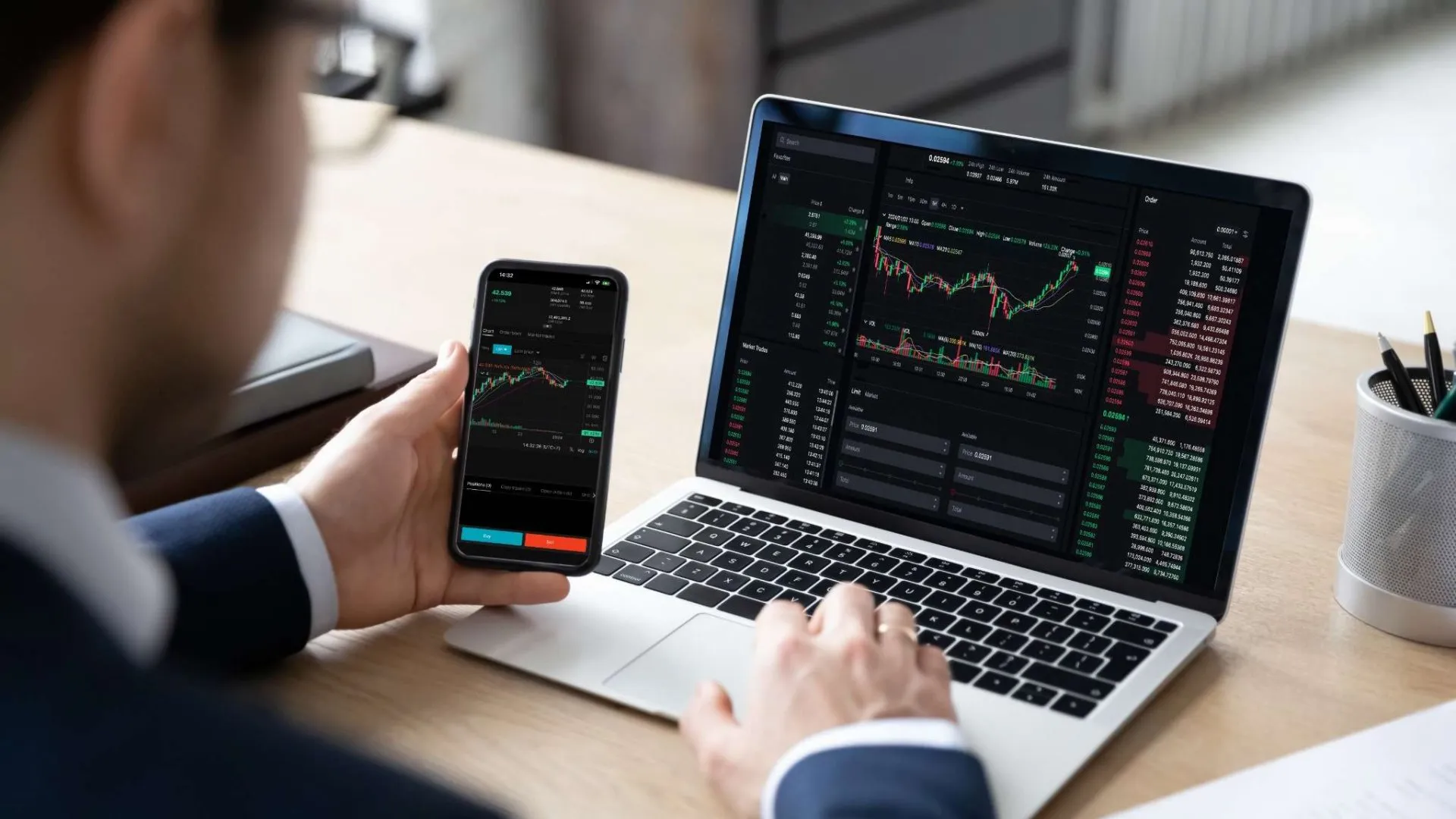
Every year, forex trading appeals to many people due to its freedom, ease, and possible profitability. Nonetheless, most of them soon begin losing money as they start trading without preparation. By understanding the mistakes that many newcomers make, you can keep your funds safe and ensure your further development.
When starting to trade, you should pay attention not only to the methods of earning money but also know what mistakes might ruin your chances of succeeding. In this article, we will talk about the most frequent mistakes made by newcomers.
Starting Forex Trading Without Education
Another common mistake that newcomers make is that they begin to trade in the foreign exchange market without understanding anything about the functioning of the market itself. Traders often register accounts on various websites simply due to seeing some success stories on social media, although they are unaware of the intricacies of charting, price action, and so forth.
To avoid losses, spend time learning:
- Currency pairs
- Market sessions
- Technical analysis
- Fundamental analysis
- Risk management
- Trading platforms
Forex Trading without a Plan
Having a forex trading plan is essential in the world of forex trading. Some people trade without a plan, acting out of impulse and making impulsive moves. It is very normal for one to experience inconsistency in the outcome of such trading and suffer losses that would have been avoided otherwise.
A trading plan must include:
- Trade entries and exits
- Percent risk per trade
- Trading time frame
- Targets and losses per day
Neglecting Risk Management
Bad money management ruins more prop firm account than poor methods. Traders often stake too much money in a single deal, expecting fast gains. However, one significant loss is enough to erode all the gains made over many weeks or months.
How not to make this error:
- Risk 1% to 2% per trade
- Use stop losses always
- Do not over-leverage
- Save your trading funds
Money management is an essential aspect of becoming a good forex trader. Even the most profitable strategy will underperform without solid money management skills.
Over-leveraging
The concept of leverage enables one to trade positions with a huge capital requirement using minimal funds. Even though leverage can enable one to generate more profits, it can also lead to higher losses at a very fast pace.
Beginners in trading often employ high leverage as they seek fast gains. This might involve trading positions with large capital requirements even when using minimal funds.
This should be avoided; rather, you should:
- Employ moderate leverage
- Be consistent
- Make profits gradually
- Survive instead of rushing
Overtrading the Market
Overtrading occurs when traders place too many trades without conducting adequate analysis on them. This normally happens as a result of greed, boredom, and/or frustration from losses suffered.
The symptoms of overtrading may be:
- Placing trades without any verification
- Going for every market move
- Going into more trades after making losses
- Disregarding your trading rules
Good trades are always more valuable than more trades. In certain instances, the best trade may be not to trade at all.
Allowing Emotions to Take Over Decisions
Emotional trading is one of the most difficult issues that newbies struggle with. Fear and greed usually lead traders to depart from their plan.
Some common emotional errors include:
- Taking profits too soon
- Holding on to losers for too long
- Avenging trades following losses
- Feeling overconfident following profits
Forex trading demands self-control and emotional regulation. The process of learning how to trade in foreign exchange involves controlling one’s emotions.
Keeping a trading diary may help traders recognize emotional patterns and enhance their decision-making abilities.
Not Trading Using a Demo Account
Most new traders do not utilize the demo account as they feel that making money is what matters most. However, this is a mistake.
The use of a demo account will allow you to:
- Practice your trading strategies
- Understand how the platform works
- Undergo risk management practice
- Gain confidence without losing any funds
It is always wise to trade using the demo account before venturing into live trading.
Blindly Following Signal Groups
There are numerous forex signal groups available on social media and other messaging platforms that promise profitable trades with certainty. However, most novice traders follow these signals blindly and do not understand the logic behind each trade.
This leads to:
- Dependency on others
- Lack of trading skills
- Bad risk management
- Unreliable performance
Though signals may sometimes be helpful in educating oneself about trading, one must never blindly trust any signals or depend on them.
Choosing the Wrong Broker
The broker is one of the most important aspects of your trading journey. Newcomers sometimes select brokers without considering regulations, spreads, and withdrawals.
When selecting a broker, it's important to consider:
- Broker regulation and licensing
- Fees for trading
- Platform quality
- Customer service
- Deposits and withdrawals
- Using a reliable broker creates a more secure trading environment.
Quick Riches Expectations
Most forex novices have unrealistic hopes of becoming rich through forex trading very quickly. It can cause them to trade carelessly and end up disappointed.
Forex trading is not something that happens quickly; it takes years of practice to become skilled at forex trading.
In order to succeed:
- Learn more about forex trading
- Be consistent in forex trading
- Stay disciplined in forex trading
- Be patient with forex trading
It is important to understand realistic expectations if you are learning about how to start forex trading
Importance of Trading Psychology
Just being an expert at technical trading is not sufficient for being a successful forex trader. Trading psychology is vital to succeed in forex trading.
Many traders fail since they have:
- A lot of fear of loss
- No patience
- Too much greed
- Are emotional
- To improve trading psychology, one needs to:
- Have discipline
- Be patient
- Have confidence
- Be consistent
Trading Too Many Currency Pairs
Beginners often try to trade every currency pair available. This creates confusion and makes analysis more difficult.
Instead, start with a few major pairs such as:
- EUR/USD
- GBP/USD
- USD/JPY
These pairs usually have better liquidity and tighter spreads, making them easier for beginners to analyze.
Mastering a few pairs is much more effective than constantly switching between multiple markets.
Not Reflecting on Prior Trades
Traders continue making the same errors since they do not reflect on their past performance. They may maintain a journal of all their trading activities for self-improvement purposes.
Some factors to record are:
- The entry point
- The exit point
- The size of each trade
Your emotional state at the time of the transactions
Conditions prevailing in the market
Conclusion
Forex trading presents lucrative options; however, traders need to avoid beginner mistakes if they want to remain profitable in the long run. Inadequate education, emotional investing, poor money management, and excessive greed are some of the significant factors contributing to losses in forex trading.
To learn how to get started in forex trading, one needs to have patience, discipline, and self-improvement skills. Avoid common beginner mistakes in forex trading by focusing on creating excellent trading practices, ensuring capital protection, and developing an effective trading strategy.